
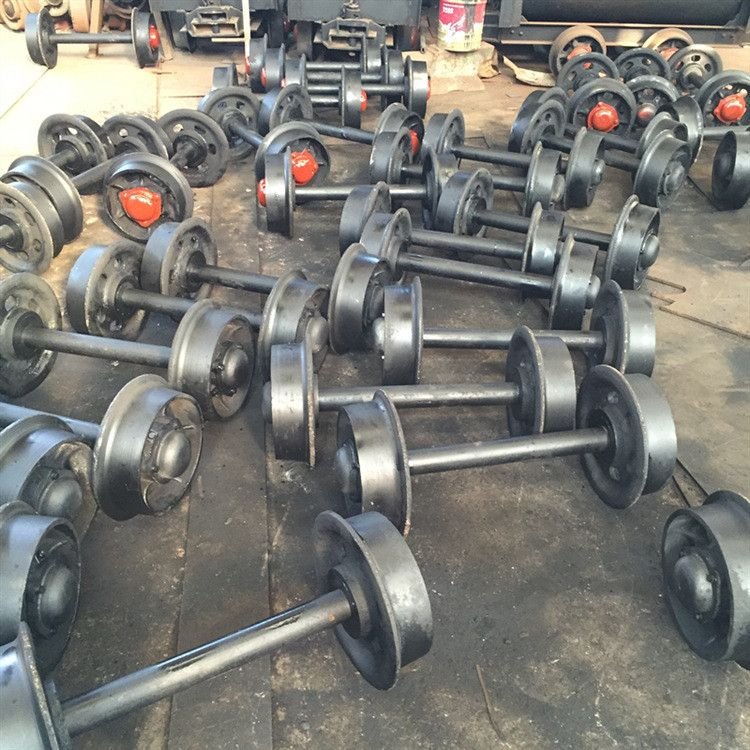
Maintenance and Upkeep of Mine Car Wheels

In the demanding environment of mining operations, every component of your equipment plays a critical role in maintaining productivity, safety, and cost-effectiveness. Among these, mine car wheels are often overlooked—yet they are the backbone of material transport, bearing immense loads, navigating rough terrain, and enduring extreme conditions daily. Neglecting their maintenance can lead to unexpected downtime, increased repair costs, and even safety hazards. This guide outlines essential practices for maintaining and preserving mine car wheels, ensuring they perform reliably for years to come.

Read More

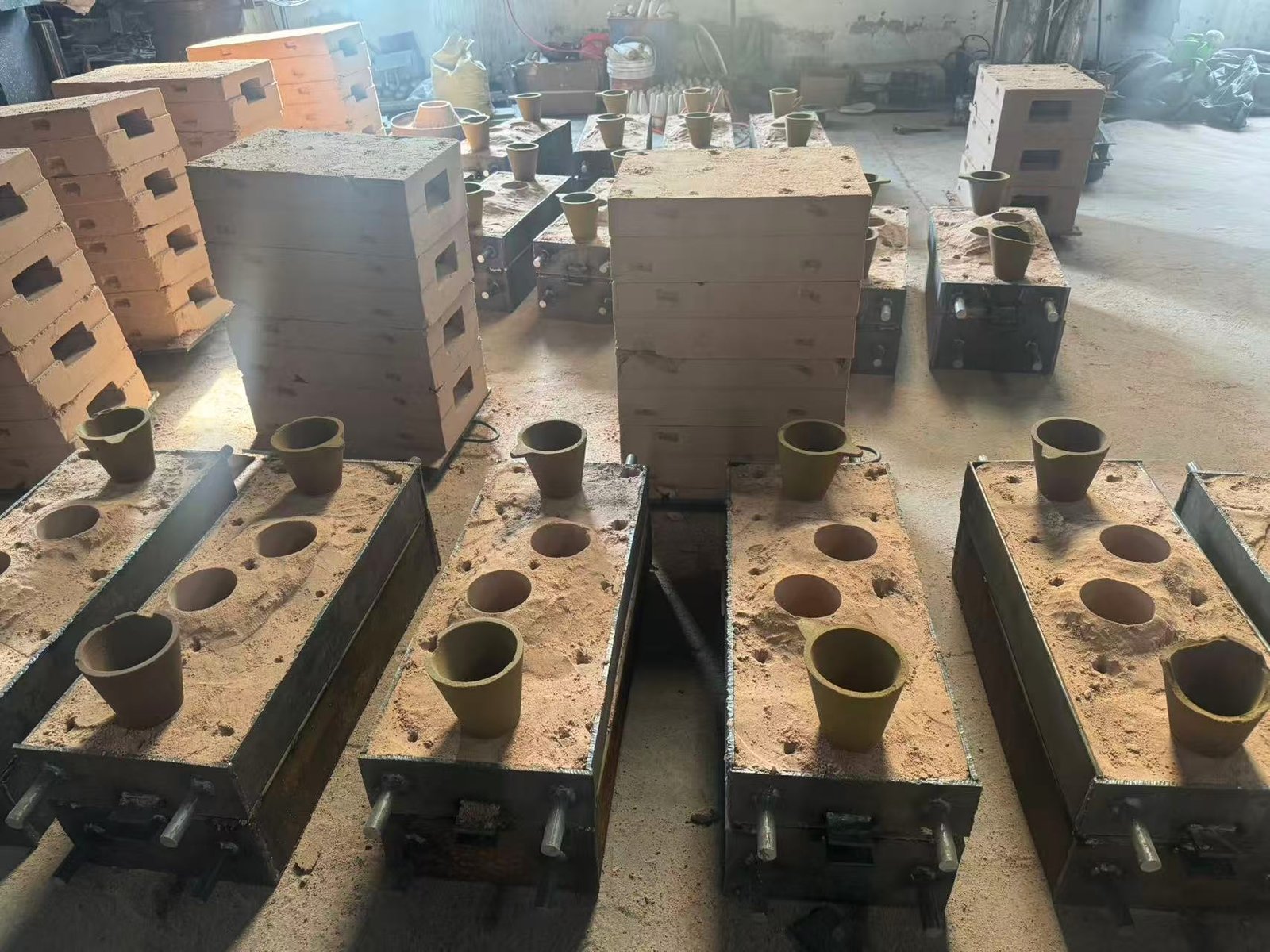
Casting Process of Ductile Iron Castings

The core of the casting process for ductile iron castings lies in converting qualified molten iron into castings that meet mechanical property requirements through mold preparation, precise pouring, and solidification control, based on spheroidization and inoculation treatment. Its key focus is to address molding quality and internal defect issues.

Read More

Maintenance & Care Guide for Mine Ore Cart Wheels

Mine ore cart wheels are critical components in mining transportation systems, bearing heavy loads, harsh dust conditions, and continuous friction with rails. Proper maintenance not only extends the service life of wheels (reducing replacement costs by 40% on average) but also ensures operational safety and minimizes unplanned downtime. As a leading manufacturer of high-quality cast steel and ductile iron mine cart wheels, Yinglin Casting provides this practical guide to help you maximize the performance of your wheel assemblies.

Read More

Sodium Silicate Molding Process in Casting

The sodium silicate molding process in casting is a traditional casting technique that uses sodium silicate as a binder to bond quartz sand (or other refractory aggregates) into a mold/core shape. After curing, a mold/core with a certain strength is obtained for pouring molten metal to produce castings.

Read More

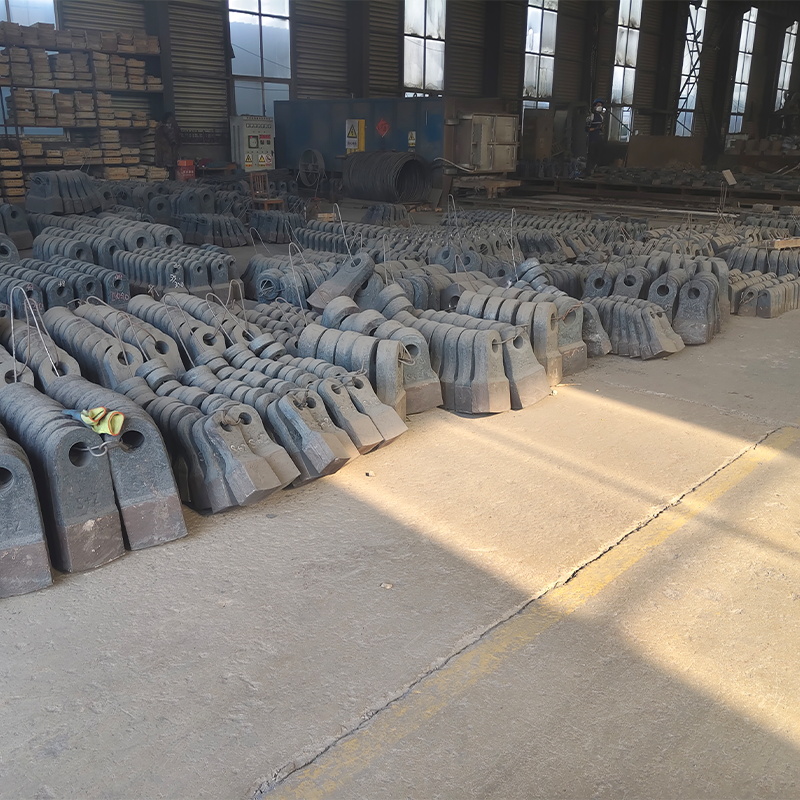
Material Selection for Mining Casting Wear-Resistant Parts

In the harsh environments of mining operations, wear-resistant castings are critical components that directly impact equipment reliability, maintenance costs, and operational efficiency. From crusher liners and conveyor idlers to screen panels and drill bits, these parts must withstand extreme abrasion, impact, and corrosion. The choice of material for mining castings is therefore a decision that demands careful analysis of operational conditions, performance requirements, and long-term cost-effectiveness.

Read More

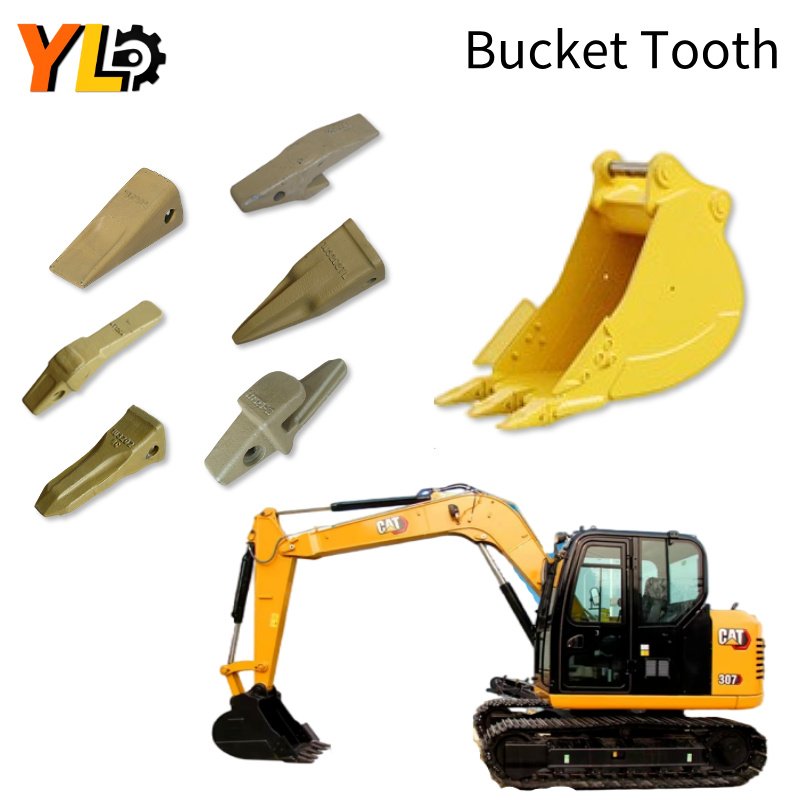
The material and process of excavator bucket tooth casting

Excavator bucket tooth castings are evolving to meet the demands of higher efficiency and sustainability. Alloy steel remains the material of choice, while casting processes like shell molding are bridging cost and precision gaps. With China as the global production hub, suppliers are increasingly integrating automation and eco-friendly practices. End-users should prioritize material selection based on (e.g., alloy steel for mixed abrasion-impact, Mn13 for high-impact) and partner with certified manufacturers to ensure performance and longevity.

Read More

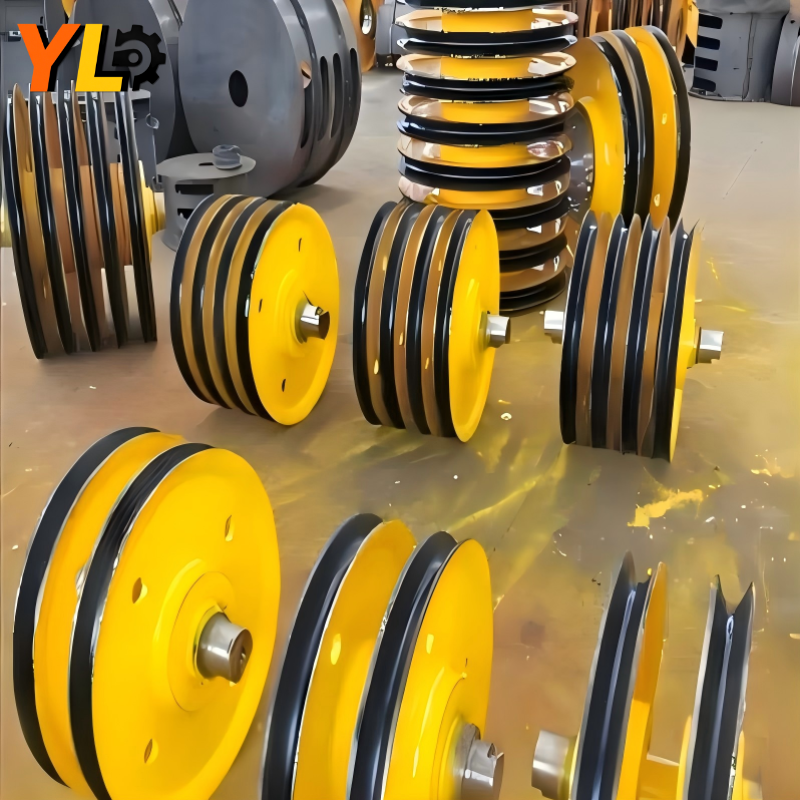
Professional design of Wire Rope Lifting Sheave Pulley

Precision Groove Matching

Profile Design: V or U-shaped groove with curvature radius = rope diameter × (5.5–6) to prevent stress concentration and rope deformation.

Surface Hardness: ≥55 HRC (quenched) to minimize wear rate (<0.1mm/1,000 cycles).Bearing SystemHeavy-Duty Solution: Double-row tapered roller bearings (40% higher load capacity vs. deep groove ball bearings).Sealing Technology: IP66 rating for dust/water resistance, grease service life >10,000 hours.

Safety Redundancy

Breakage Factor: ≥5:1 (per DIN 15020), ultimate load = nominal load × 5.

Anti-Derailment: Sidewall height ≥1.5× rope diameter, with nylon flanges (150J impact resistance).

Read More

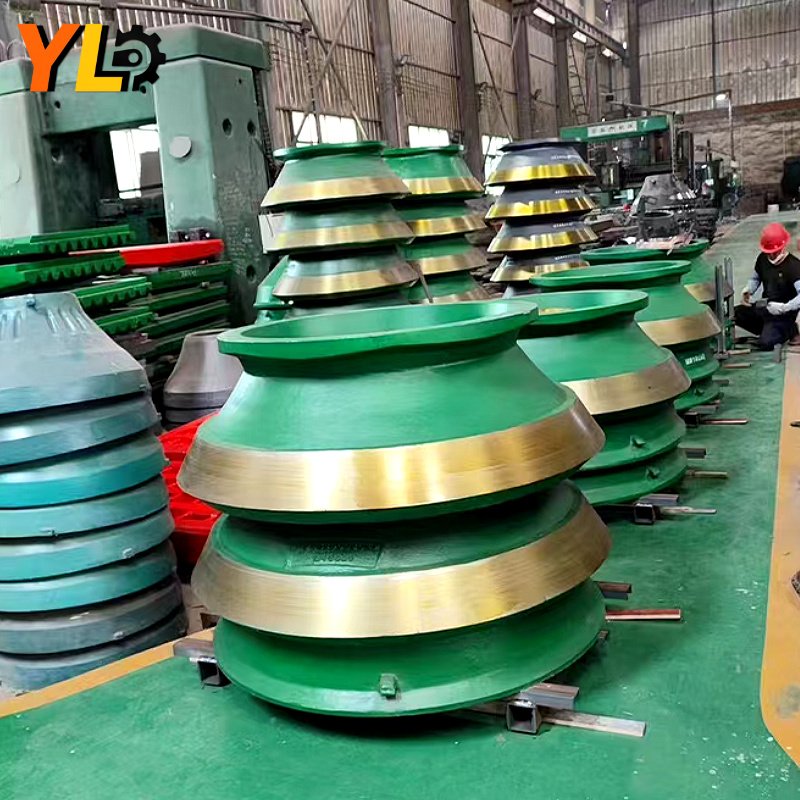
How does a cone crusher bowl liner work?

A cone crusher bowl liner (also called a concave liner) works as a critical stationary component that collaborates with the rotating mantle to crush material through compressive force. Its design and interaction with the mantle create a dynamic crushing chamber, enabling efficient reduction of large rocks into smaller, usable particles. Here’s a step-by-step breakdown of how it functions:

Read More
Scroll to Top