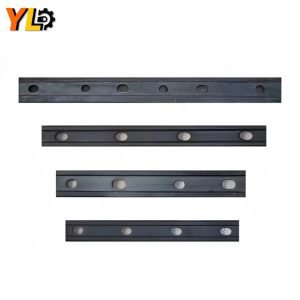
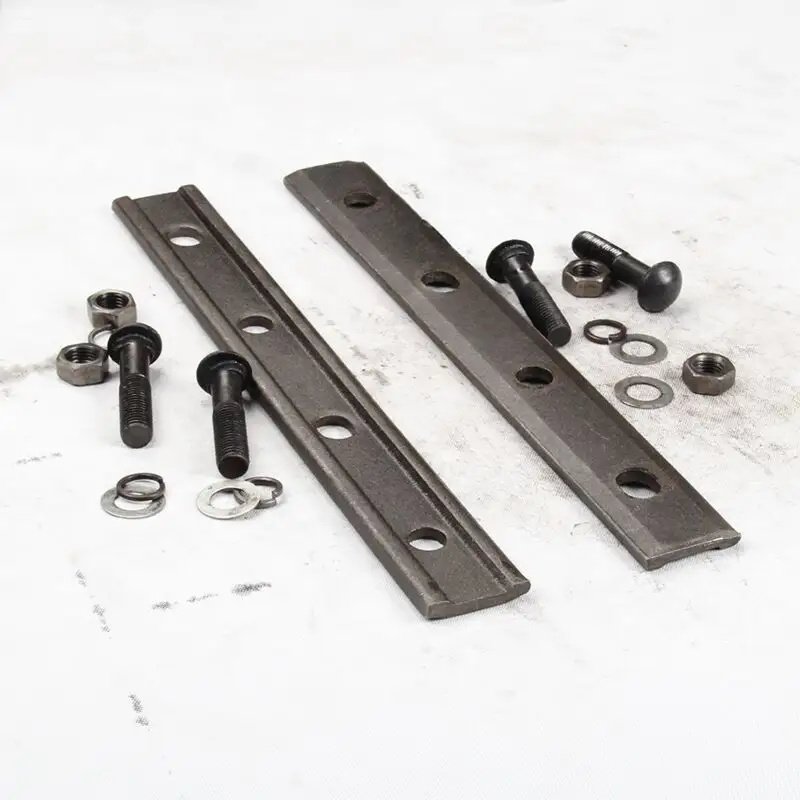
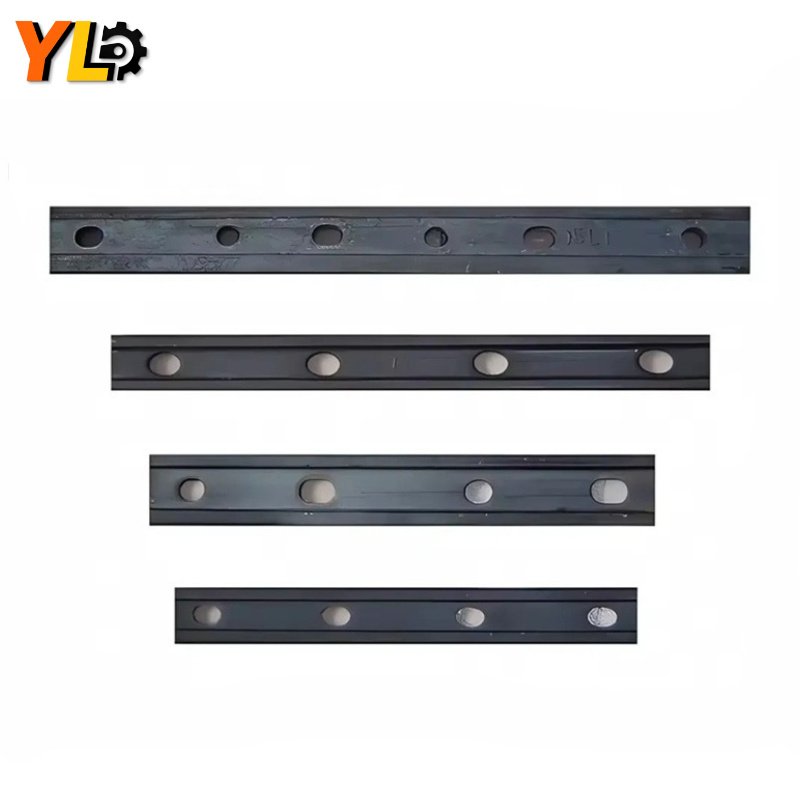
A railway fish plate is a metal connecting bar bolted to the webs of two adjacent rails to join them together. Unlike rail clips that work continuously along the entire track, fish plates are specifically designed for rail joints—the weakest points in any track system.
Fish plates come in various designs to suit different rail profiles, load requirements, and environmental conditions. The right fish plate ensures:
- Smooth and continuous rail alignment
- Efficient load transfer across joints
- Reduced track maintenance frequency
- Extended rail service life
International Standards: The Non-Negotiable Foundation
For any serious railway project, compliance with international standards is the first and most critical requirement. Different regions enforce different standards, and suppliers must demonstrate the ability to meet them consistently.
Major Global Standards for Fish Plates
| Standard | Region | Application |
|---|---|---|
| AREMA | North America | Chapter 4, Part 2; FRA-approved |
| EN 13674-4 | Europe | European standard for rail fish plates |
| UIC 864 | International | International Union of Railways standard |
| BS 47 / BS 11 | United Kingdom | British Standard for fish plates and rails |
| DIN | Germany | German industrial standard |
| JIS | Japan | Japanese industrial standard |
| GOST | Russia | Russian national standard |
| AS | Australia | Australian standard |
| IRSS / IS | India | Indian Railway standard |
A qualified supplier should be capable of manufacturing fish plates according to all major international standards. When evaluating potential partners, always request certification and material test reports to verify compliance.
Material Properties: The Backbone of Performance
The material composition of a fish plate directly determines its strength, durability, and safety under operational loads. Here are the key performance indicators that procurement managers should demand:
Mechanical Properties to Specify
| Property | Typical Requirement |
|---|---|
| Tensile Strength | ≥ 800 MPa |
| Yield Strength | ≥ 550 MPa |
| Hardness | 241 – 302 HBW |
| Impact Toughness (Charpy V-notch) | ≥ 27 J at 20°C |
| Fatigue Life | ≥ 2 million load cycles |
Common Material Grades
- Carbon Steel: Grade 50E, 70E (per EN 10025)
- High-Strength Steel: 45#, 50#, 55#, Q235
- Stainless Steel: AISI 304 (for coastal or marine environments)
For projects in corrosive environments—coastal regions, marine crossings, or high-humidity areas—stainless steel fish plates or those with advanced anti-corrosion coatings are strongly recommended.
Precision Matters: Bolt Hole Tolerances
Perhaps the most common and costly issue in fish plate procurement is bolt hole misalignment. When bolt holes don’t align perfectly with the rail web, the result is:
- Installation delays and on-site rework
- Additional labor costs (one reported case incurred $50,000 in extra costs due to a +1.5mm deviation)
- Structural stress from forced installations
- Premature fatigue failure
Industry Standard Tolerances
For high-quality fish plates, precision machining is non-negotiable:
| Parameter | Tolerance |
|---|---|
| Bolt hole diameter (for M22 bolts) | 23 ± 0.2 mm |
| Bolt hole diameter (for M25 bolts) | 25 ± 0.2 mm |
| Adjacent hole center distance | ± 0.3 mm |
| Diagonal hole distance | ± 0.5 mm |
| Bolt hole registration | ± 0.6 mm |
Suppliers with in-house rolling, forging, machining, drilling, and punching facilities can maintain these tight tolerances consistently. This capability separates professional manufacturers from simple traders.
Specialized Solutions: Insulated Fish Plates
For electrified railways and automatic signaling systems, standard fish plates won’t suffice. Insulated fish plates (also called insulated rail joints or IRJs) are essential.
Why Insulation Matters
Electrified railways use the rails themselves as conductors for signaling circuits. If standard conductive fish plates are used, they create a short circuit that disrupts signal transmission.
How Insulated Fish Plates Work
Insulated fish plates incorporate a non-conductive layer—typically made of polyurethane plastic or epoxy resin—between the fish plate and the rail. This layer:
- Electrically isolates adjacent rail sections
- Enables safe track circuit separation
- Prevents signal interference
- Ensures reliable interlocking control
For projects involving electrified lines or automatic block signaling, specifying insulated fish plates is not optional—it’s mandatory.
Customization: Beyond Off-the-Shelf Solutions
No two railway projects are exactly alike. While standard fish plates serve many applications, customized solutions are often required for:
- Non-standard rail profiles (e.g., UIC60, 115RE, 132RE)
- Special track geometries (turnouts, crossings, curved sections)
- Unique environmental conditions (extreme temperatures, high humidity, seismic zones)
- Client-specific engineering requirements
A capable manufacturer should offer:
- Custom drilling patterns (4-hole, 6-hole, or bespoke configurations)
- Tailored dimensions based on client drawings or samples
- Multiple surface treatment options:
- Plain Oiled
- Oxygen Black
- Zinc Plated
- Hot Dip Galvanized (superior corrosion resistance)
- Dacromet/Dacro coating (excellent salt spray resistance—over 1,000 hours)
Packaging and Logistics: Protecting Your Investment
Railway fish plates are heavy, high-value components that must arrive at the job site in perfect condition. Poor packaging can result in:
- Corrosion during ocean transit
- Physical damage from handling
- Delayed project timelines
- Disputes and claims
Professional Export Packaging Standards
Reputable suppliers employ multi-layer protection for export shipments:
- Steel strapping to secure stacked fish plates
- Wooden or steel pallets for stable forklift handling
- Moisture-proof wrapping to prevent corrosion
- Cushioning layers to absorb transit shocks
Sustainability in Packaging
Many leading suppliers are now adopting eco-friendly packaging solutions—using recyclable materials, paper pads instead of foam, and degradable plastic films. These solutions not only reduce environmental impact but can also improve loading efficiency by approximately 12%.
Why Choose a Professional Fish Plate Manufacturer?
When sourcing fish plates for international railway projects, partnering with an experienced manufacturer offers distinct advantages:
1. Comprehensive Standards Coverage
A professional supplier manufactures to AREMA, UIC, EN, BS, DIN, JIS, GOST, and AS standards—ensuring your products meet local regulatory requirements.
2. In-House Manufacturing Capabilities
From rolling and forging to machining and drilling, vertical integration ensures quality control at every stage. Annual production capacities of 20,000+ tons demonstrate scale and reliability.
3. Rigorous Quality Assurance
Third-party material certificates (3.1 certification), dimensional inspections, and mechanical property testing should be standard practice.
4. Reliable Delivery
With established supply chains and logistics partnerships, professional suppliers ensure on-time delivery—critical for projects with tight construction schedules.
5. Technical Support
From material selection to installation guidance, expert suppliers provide end-to-end technical support throughout the project lifecycle.
按类别列出产品

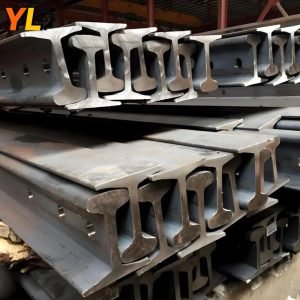
Heavy & Light Railway Steel Rail China Manufacturer
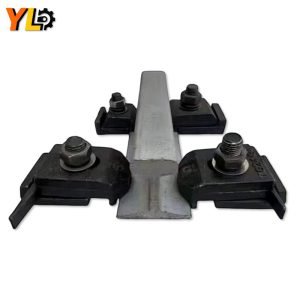
Heavy-Duty Railway Fasteners Welded Rail Presser Rail Clip
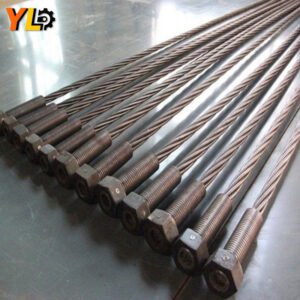
High Tensile 1860MPa Prestressed Steel Strand Anchor Cable with Threaded End & Hex Nut for Mining
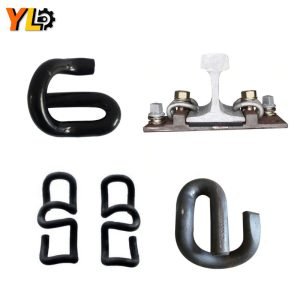
High-Quality SKL E-Type Elastic Rail Clips for Railway Fastening Systems
Mine Railway Track Spike – Heavy Duty Dog Spike Manufacturer
Self-Drilling Hollow Grouting Anchor Bolt for Mining
Track Joint Bar Railway Fish Plate China Manufacturer & Supplier